
BLOG
Masago: The Tiny Roe with a Global Story of Flavor, Nutrition, and Culinary Innovation

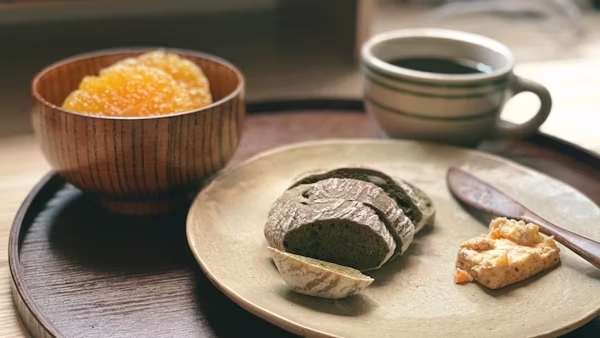
Masago, the delicate roe from the capelin fish, has become a celebrated ingredient in global cuisine, particularly within Japanese culinary traditions. In the first 100 words, here’s the essence: Masago refers to the tiny, orange eggs harvested from small, cold-water fish, most commonly in the North Atlantic and Arctic oceans. Known for their subtle crunch, mild saltiness, and slightly sweet undertone, they are widely used as sushi toppings, garnishes, and flavor enhancers. This ingredient offers not only aesthetic appeal but also notable nutritional value, being rich in protein, omega-3 fatty acids, and certain essential vitamins. Understanding masago’s journey—from fishing waters to your plate—offers both cultural and gastronomic appreciation.
Historical and Cultural Roots of Masago
The roots of masago trace back to fishing communities in Iceland, Norway, and Canada, where capelin harvests were integral to local economies. While capelin meat was consumed or used in fishmeal, its roe—masago—was prized for both domestic cooking and export markets. The adoption of masago into Japanese cuisine likely began in the mid-20th century, as global trade expanded and sushi chefs sought alternatives to pricier tobiko. Its affordability and adaptability made it an attractive option for restaurants seeking high-quality garnish without inflating menu prices.
Culturally, masago has come to symbolize culinary fusion. In Japan, it’s linked to traditional nigiri and gunkan sushi, while in the West, it appears in fusion rolls, poke bowls, and even as a topping for deviled eggs. The vibrant orange hue not only enhances a dish’s appearance but also carries symbolic meaning in Japanese aesthetics, often representing celebration and prosperity. In many high-end dining settings, chefs even dye masago black, red, or green using natural colorants like squid ink or wasabi to match thematic presentations.
- Origins: Primarily Iceland, Norway, Canada
- Culinary adoption: Japan mid-20th century
- Cultural symbolism: Prosperity, celebration, artistry
- Common variants: Naturally orange, dyed black, red, green
Nutritional Composition and Health Considerations
Masago’s nutritional profile makes it more than just a decorative element. It is a lean source of protein, essential for muscle maintenance and tissue repair. Its omega-3 fatty acids contribute to cardiovascular health, while vitamins such as B12 support energy metabolism and nerve function. Minerals like selenium, phosphorus, and magnesium also feature prominently in its composition.
However, it is worth noting that masago’s sodium content can be significant, as the roe is often cured with salt during processing. For individuals monitoring their salt intake, moderation is advised. Additionally, those with fish or seafood allergies should avoid masago entirely. Pregnant individuals are sometimes advised to limit consumption of raw fish products, so cooked applications may be preferable in such cases.
Table 1: Nutritional Snapshot of Masago (Per 1 Tablespoon)
| Nutrient | Amount | Key Benefit |
|---|---|---|
| Calories | ~40 kcal | Low-calorie flavor enhancement |
| Protein | 3-4 g | Supports muscle health |
| Fat | 2-3 g | Contains heart-healthy omega-3s |
| Omega-3 Fatty Acids | 200-300 mg | Reduces inflammation, supports brain |
| Vitamin B12 | ~2 mcg | Boosts energy and nerve function |
| Sodium | ~240 mg | Flavor, but monitor intake |
| Selenium | 12-15 mcg | Antioxidant properties |
“Think of masago as a garnish that nourishes,” says dietitian Laura Kim. “It’s proof that beauty on the plate can coexist with genuine health benefits.”
Masago in Culinary Applications
In sushi, masago is typically sprinkled atop rolls for texture and color. Its subtle brininess enhances seafood flavors without overwhelming them. In poke bowls, it’s often paired with avocado, tuna, or salmon to create contrast in texture and taste. Outside of Japanese and Hawaiian dishes, chefs incorporate masago into mayonnaise-based dips, pasta sauces, and even savory pancakes.
Its ability to hold color and shape makes it an ideal candidate for plating artistry. By mixing masago with wasabi paste, chefs can create a spicy topping for sashimi. When blended into butter, it forms a seafood spread perfect for bread or grilled vegetables. “Masago plays the role of both seasoning and spectacle,” remarks chef Daniel Ortega, whose fusion restaurant in Los Angeles is known for masago-topped truffle fries.
- Sushi rolls: California roll, dragon roll, rainbow roll
- Poke bowls: Paired with fresh fish and vegetables
- Creative fusion: Masago butter, masago deviled eggs, seafood pasta
- Color play: Black masago for dramatic effect
Table 2: Culinary Uses of Masago Across Cuisines
| Dish Type | Example Dish | Culinary Role |
|---|---|---|
| Traditional | Nigiri sushi | Garnish, flavor accent |
| Hawaiian | Salmon poke bowl | Texture, visual contrast |
| Western fusion | Masago deviled eggs | Unique garnish, flavor twist |
| Fine dining | Masago-infused butter | Rich, seafood seasoning |
| Street food | Masago-topped fries | Novelty, umami boost |
Harvesting, Processing, and Sustainability
Masago is harvested during the short capelin spawning season, typically in late spring or early summer. Fishermen target female capelin laden with roe, which is carefully extracted to preserve the eggs’ integrity. After collection, the roe is washed, salted, and sometimes dyed. The processing is designed to maintain both the color and delicate texture, as the eggs can be easily damaged.
Sustainability concerns arise when fishing pressures exceed natural replenishment rates. The Marine Stewardship Council (MSC) certifies certain capelin fisheries that follow sustainable practices, including catch limits and ecosystem-based management. Choosing masago from certified sources helps ensure long-term availability without damaging marine biodiversity.
Regional Variations and Flavor Profiles
While the basic essence of masago remains constant—tiny, orange roe with a briny, mild sweetness—its flavor and presentation vary across regions. In Japan, the preference leans toward pure, lightly salted masago, allowing the subtle marine notes to shine without overpowering the dish. Scandinavian countries, closer to the source fisheries, sometimes prepare masago with smoked flavors, reflecting their broader culinary traditions of preserving seafood. In North America, particularly in fusion-oriented restaurants, masago may be flavored with yuzu, wasabi, or chili oil to create new dimensions of taste. Chefs in Hawaii often mix masago with mayonnaise for poke bowl toppings, giving diners a creamy yet crunchy experience. These variations illustrate how masago adapts seamlessly to different culinary identities while retaining its core qualities. As chef Laura Saito once said, “Masago’s strength is its ability to belong everywhere without losing its own identity.”
Masago vs. Tobiko vs. Ikura: Understanding Roe Differences
Many diners encounter masago alongside tobiko and ikura in sushi restaurants, but these roes differ in origin, size, and taste. Masago comes from capelin, is smaller in size, and offers a softer crunch compared to tobiko, which is flying fish roe with larger, more robust eggs and a slightly sweeter, more pronounced briny flavor. Ikura, salmon roe, is dramatically larger—each egg a glistening orange orb bursting with liquid—and far more intense in flavor. While tobiko often commands a higher price, masago’s cost-effectiveness makes it popular for bulk garnishing without sacrificing visual or taste appeal. Ikura, on the other hand, is typically served in smaller quantities due to its richness. Understanding these differences allows diners and home cooks to select the right roe for their intended flavor impact and presentation.
Key distinctions:
- Masago: Small, mild, versatile, affordable
- Tobiko: Larger, crunchier, sweeter
- Ikura: Large, juicy, rich, intense
Culinary Pairings: What Works Best with Masago
Masago’s mild saltiness and delicate crunch make it a natural companion for a wide variety of ingredients. It pairs exceptionally well with creamy textures, such as avocado or cream cheese, creating a balance between softness and crispness. Its briny undertones complement fresh seafood like tuna, salmon, and scallops, while also enhancing plant-based dishes such as cucumber rolls or seaweed salads. Chefs often use masago to finish dishes that lack visual contrast, as its vibrant orange hue instantly brightens the plate. Beyond Japanese cuisine, it can enrich Mediterranean-inspired seafood pasta or serve as a topping for oysters in fine dining settings.
Ideal pairings:
- Avocado in sushi rolls
- Seared scallops or shrimp
- Cold soba noodles with dipping sauce
- Seafood risotto
- Oysters with citrus vinaigrette
The Role of Masago in Modern Fusion Cuisine
Modern chefs are constantly reimagining masago’s role, transforming it from a sushi staple into a star ingredient in unexpected dishes. In Los Angeles, one restaurant serves truffle-masago fries, combining umami from the roe with earthy truffle oil. In New York, a seafood bar offers masago-stuffed ravioli, topped with lemon butter sauce. Masago-infused aioli appears in gourmet burgers, while brunch menus in cosmopolitan cities now feature scrambled eggs with masago and smoked salmon. Its adaptability stems from its ability to merge into both hot and cold dishes without losing texture or flavor. “Masago’s charm,” says chef Ricardo Velasquez, “is that it’s equally at home in tradition and in rebellion.” This duality keeps it relevant in an era where diners expect both authenticity and novelty on the same plate.
Buying and Selecting High-Quality Masago
Choosing high-quality masago requires attention to freshness, color, and texture. The roe should have a bright, uniform orange hue without dullness or discoloration. A mild, clean ocean scent indicates freshness, while any overly fishy odor suggests age. Texture should be firm yet delicate—eggs that are mushy or overly dry have likely been stored improperly. When buying frozen masago, ensure the packaging is airtight to prevent freezer burn. Reputable fish markets and specialty Asian grocery stores are often the best sources, though high-end online seafood retailers now ship masago directly to homes. Always check for labeling that indicates sustainable sourcing, such as Marine Stewardship Council (MSC) certification.
Buying tips:
- Look for vibrant, even coloring
- Avoid strong fishy odors
- Prefer certified sustainable sources
- Buy from trusted fishmongers or specialized stores
Storage, Thawing, and Shelf Life
Proper storage ensures masago maintains its texture and flavor. If fresh, it should be refrigerated immediately and consumed within 2–3 days. Frozen masago can be stored for up to six months without significant quality loss. Thawing should be gradual—place the sealed package in the refrigerator for several hours to avoid textural damage. Never thaw at room temperature, as this can encourage bacterial growth. Once thawed, masago should not be refrozen, as repeated freezing and thawing can compromise both safety and quality. For those using masago sparingly, consider dividing bulk packages into smaller portions before freezing. This makes it easier to thaw only what’s needed for a single dish, reducing waste.
Health Benefits and Potential Risks
Masago is nutrient-dense, offering protein, omega-3 fatty acids, and essential vitamins like B12, all in a low-calorie package. Omega-3s are known for supporting brain function, reducing inflammation, and promoting heart health. Its selenium content contributes antioxidant protection, while phosphorus supports bone strength. However, the curing process can make masago high in sodium, which may be a concern for individuals with hypertension. Additionally, those with fish allergies should avoid it entirely, and pregnant individuals should consult healthcare professionals before consuming raw or cured roe.
Health summary:
- Benefits: Heart health, brain function, muscle repair
- Risks: High sodium, potential allergens, pregnancy caution
- Moderation: 1–2 tablespoons per serving recommended for most diets
Sustainability and Ethical Considerations
The demand for masago has raised questions about capelin fishery sustainability. Overfishing can disrupt marine ecosystems, as capelin plays a crucial role in the food chain, serving as prey for larger fish, seabirds, and marine mammals. Some fisheries have adopted strict quotas, seasonal restrictions, and monitoring systems to protect populations. Choosing masago from certified sustainable fisheries helps ensure that culinary enjoyment does not come at the expense of environmental stability. Restaurants increasingly disclose sourcing information, allowing diners to make informed choices. As environmental advocate Mika Tanaka puts it, “Every grain of masago carries a responsibility to the ocean that gave it.”
Creative Recipes Featuring Masago
- Masago Avocado Toast – Spread mashed avocado on crusty bread, top with lemon juice, and sprinkle masago for crunch.
- Masago Sushi Bake – Layer sushi rice, imitation crab, spicy mayo, and masago; bake until golden for a casserole twist.
- Masago Carbonara – Replace pancetta with seared scallops, toss pasta in egg yolk sauce, and garnish with masago.
- Masago Omelette – Fold masago into eggs with chives for a seafood-inspired breakfast.
- Masago Crostini – Toast baguette slices, top with cream cheese and cucumber, finish with masago and dill.
Storage and Handling Tips
For optimal freshness, masago should be stored in the coldest part of the refrigerator and consumed within a few days once opened. Frozen masago can last for several months, though texture may slightly change upon thawing. Always keep it sealed to prevent absorption of odors from other foods.
Tips:
- Refrigerate immediately after purchase
- Freeze for extended storage
- Thaw slowly in the refrigerator, not at room temperature
- Avoid repeated thawing and refreezing
Modern Harvesting Technologies for Masago
In the past, capelin roe collection was largely manual, relying on small vessels and simple nets during the short spawning season. Today, technology has refined the process to increase efficiency while reducing environmental impact. Modern trawlers are equipped with sonar systems that detect dense schools of capelin without disturbing other marine species. Once caught, the female fish are processed almost immediately onboard, where roe is separated, washed, and cooled to preserve freshness. Some fisheries now employ “roe stripping” techniques, gently removing eggs without damaging them. Advanced cold-chain logistics ensure that masago reaches processing facilities at ideal temperatures, maintaining texture and flavor. Fisheries with sustainability certifications often limit trawling to specific areas and times to protect spawning grounds. “Our goal,” says Norwegian fishery manager Lars Eriksen, “is to ensure that every grain of masago is harvested with respect for the ocean.”
Preservation Science and Shelf-Life Innovation
Preserving masago’s delicate texture has long been a challenge. Early methods relied on heavy salting, which extended shelf life but altered flavor. Today’s preservation science uses a combination of light salting, controlled freezing, and vacuum sealing to lock in freshness without overwhelming the natural taste. Some processors also employ modified atmosphere packaging (MAP), which replaces oxygen with inert gases to slow spoilage. Freezing at ultra-low temperatures within hours of harvest prevents ice crystal formation, maintaining egg structure. In high-end markets, nitrogen flash-freezing is used to virtually eliminate textural degradation. These advancements mean that masago can now travel from the North Atlantic to Tokyo or Los Angeles with minimal quality loss, expanding its global reach. The result is a product that can be stored frozen for six months or more, yet still tastes as if it were harvested just days ago.
The Global Sustainability Debate
Masago’s rising popularity has triggered conversations about the ethics of sourcing. Capelin are considered a “forage fish,” meaning they are a key food source for cod, seabirds, and marine mammals. Removing too many from the ecosystem can create cascading effects. Iceland and Norway have implemented strict catch quotas based on annual population surveys, but some critics argue these quotas still lean toward economic gain over ecological caution. Environmental organizations push for even tighter restrictions and for chefs to prioritize certified sources. On the consumer side, awareness is growing—diners increasingly ask restaurants where their masago’s is sourced. “Traceability is becoming as important as taste,” notes Canadian marine biologist Fiona Leclerc. The sustainability debate underscores that culinary delight should not come at the cost of marine ecosystem health, and that balancing enjoyment with responsibility is key to masago’s future.
Chef Perspectives: Masago in the Kitchen
To understand masago’s culinary impact, it helps to hear from those who work with it daily. Chef Haruto Nishida of Tokyo describes masago’s as “a punctuation mark for sushi—subtle, but capable of changing meaning entirely.” In contrast, Los Angeles-based chef Ricardo Velasquez sees it as “a gateway ingredient that introduces diners to the world of roe without intimidating them.” Nordic chef Anja Larsen incorporates smoked masago into rye bread canapés, drawing on Scandinavian traditions. All agree on one thing: masago’s versatility is unmatched. It adapts to minimalist plating as easily as to complex fusion dishes. Whether it’s used as a simple garnish on nigiri or as the key ingredient in a masago cream sauce, chefs praise its ability to carry flavors, complement textures, and add visual allure without overwhelming other elements on the plate.
World Tour of Masago Adaptations
Masago’s journey from Arctic waters to international kitchens has resulted in fascinating adaptations:
- Japan: Traditional sushi rolls, gunkan maki, and chirashi bowls, often served pure or lightly seasoned.
- Iceland: Smoked masago served with flatbread and cultured dairy spreads.
- United States: Featured in sushi burritos, poke bowls, masago’s deviled eggs, and seafood pasta.
- Singapore: Used in masago mayonnaise for seafood sandwiches and as a topping for salted egg yolk fries.
- Australia: Incorporated into seafood pizzas alongside calamari and prawns.
This global reach shows masago’s ability to transcend cultural boundaries. In each location, it adapts to local palates while maintaining its textural charm and visual appeal. The result is a truly cosmopolitan ingredient that links fishing villages in the North Atlantic to bustling urban food markets across continents.
Masago in Fine Dining vs. Street Food
One of masago’s most intriguing qualities is its ability to thrive in vastly different culinary environments. In fine dining, it often appears as part of intricate tasting menus, paired with uni, caviar, or high-grade sashimi. The presentation might involve minimal seasoning, allowing its natural qualities to shine. In contrast, street food vendors and casual eateries use masago’s as a bold, colorful topping for fried snacks, loaded sushi rolls, or spicy seafood tacos. This duality speaks to its accessibility—both a gourmet luxury and an everyday indulgence. “Masago’s is proof that sophistication and simplicity can share the same ingredient,” says food critic Elena Morita. Whether nestled in porcelain or served on a paper tray, its appeal is universal.
Masago and Beverage Pairings
Pairing masago with the right beverage enhances its subtle flavors. In Japanese tradition, dry sake with clean mineral notes complements the roe’s briny character. Champagne or sparkling wine, with their acidity and bubbles, balance the richness of creamy dishes topped with masago. For beer lovers, crisp pilsners or light lagers work well with masago sushi rolls, while pale ales can stand up to spicier preparations like wasabi-infused masago. Non-alcoholic pairings include green tea for its cleansing effect or citrus-infused sparkling water to brighten the palate. Beverage pairing is often overlooked, yet it can elevate a masago dish from pleasant to memorable. The right drink accentuates the roe’s delicate crunch and ensures its nuanced flavor doesn’t get lost among bolder ingredients.
Expanding Masago’s Role in Home Cooking
Home cooks are increasingly experimenting with masago beyond traditional sushi. Grocery stores offering frozen or fresh masago have made it accessible for weeknight meals and special occasions alike. Simple applications include sprinkling it over scrambled eggs, folding it into cream cheese for bagels, or adding it to salads for an unexpected crunch. More adventurous cooks blend it into sauces for grilled fish or stir it into risotto near the end of cooking for a pop of color. Masago’s ready-to-use nature eliminates the need for lengthy preparation, making it ideal for home kitchens. With a little creativity, even everyday meals can be transformed into restaurant-quality experiences. As one home chef put it in a cooking forum, “A spoonful of masago is like a passport stamp—it takes your dish somewhere new instantly.”
The Future of Masago in Global Cuisine
Looking ahead, masago’s role in global cuisine is likely to expand as sustainability measures improve and chefs continue to innovate. Plant-based alternatives that mimic the texture and color of masago are emerging, appealing to vegan diners while relieving pressure on capelin populations. Advances in aquaculture may eventually allow controlled breeding of capelin for roe production, ensuring year-round availability without depleting wild stocks. Meanwhile, creative culinary minds will keep finding novel uses, from molecular gastronomy presentations to dessert pairings that challenge expectations. As the food industry evolves toward transparency and sustainability, masago will remain a symbol of how tradition and innovation can coexist. Its story is far from over—it’s still being written in kitchens, markets, and fisheries around the world.
Conclusion
Masago’s rise from a regional specialty to a global culinary darling speaks to its unique combination of flavor, texture, and versatility. From the fishing boats of the North Atlantic to the sushi bars of Tokyo and the creative kitchens of Los Angeles, this tiny roe carries with it a story of tradition, adaptation, and artistry. Its nutritional value adds depth to its appeal, while sustainable sourcing ensures its presence for generations to come.


Introduction to Leomorg
Leomorg is quickly becoming a buzzword in 2023, capturing the attention of both businesses and individuals alike. But what exactly is Leomorg? This innovative platform is making waves with its unique offerings, reshaping how we approach technology and communication. With sleek design and powerful functionality, it’s no wonder that more people are turning to Leomorg as their go-to solution. As we explore the top reasons behind its rising popularity this year, you’ll see just why so many are eager to hop on board the Leomorg train.
The Rise of Leomorg in 2023
Leomorg has captured significant attention this year. Its innovative approach to solving common problems is resonating with users worldwide.
As businesses seek efficiency, Leomorg offers compelling solutions that streamline operations. This demand for smarter tools has fueled its rapid growth.
Social media buzz also plays a crucial role in Leomorg’s rise. Users are sharing their success stories, creating a community around the platform.
Moreover, favorable reviews from industry experts lend credibility. As more people discover its benefits, the user base continues to expand exponentially.
The combination of word-of-mouth marketing and exceptional functionality makes Leomorg stand out in 2023. It’s not just another tool; it’s becoming an essential resource for many individuals and organizations alike.
Innovative Features of Leomorg
Leomorg stands out with its groundbreaking features designed to enhance user experience. One of the most exciting aspects is its advanced artificial intelligence capabilities. This technology allows users to streamline their workflows and automate routine tasks effortlessly.
Another notable feature is its customizable dashboard. Users can tailor their interface according to specific needs, making navigation intuitive and personalized. This flexibility fosters productivity by minimizing distractions.
Additionally, Leomorg integrates seamlessly with various tools commonly used in business environments. Whether it’s project management software or communication platforms, users find it easy to connect their existing systems without a hitch.
Security remains a top priority as well. With robust encryption protocols and regular updates, Leomorg ensures that all data stays protected against unauthorized access while maintaining smooth functionality for its users.
These innovative elements combined create an engaging platform that caters to diverse needs across industries.
Positive Impact on Businesses and Individuals
Leomorg is transforming the landscape for both businesses and individuals. Its innovative approach empowers users by streamlining processes that were once cumbersome.
For businesses, this means increased efficiency. Tasks that used to take hours can now be completed in minutes. With improved workflows, companies can focus on what truly matters: growth and customer satisfaction.
Individuals benefit as well. Leomorg offers tools that enhance productivity without overwhelming users. This balance fosters a sense of accomplishment and reduces stress.
The collaborative features also shine here, promoting teamwork across diverse locations. Whether it’s brainstorming ideas or managing projects, Leomorg creates an inclusive environment where everyone’s voice matters.
As feedback rolls in from satisfied users, it becomes clear that Leomorg isn’t just a tool; it’s a catalyst for positive change in everyday operations.
Easy Integration and User-Friendly Interface
Leomorg stands out for its seamless integration capabilities. Businesses can easily connect it with existing tools and software, which reduces the learning curve significantly.
Users appreciate how quickly they can navigate through the interface. The design prioritizes functionality without overwhelming new users. Each feature is accessible, making it suitable for tech-savvy individuals and novices alike.
The dashboard offers a clean layout that highlights important metrics at a glance. This transparency helps users make informed decisions in real time.
Moreover, Leomorg supports customization options tailored to individual preferences or team needs. Such flexibility allows organizations to personalize their experience further.
With straightforward tutorials and responsive customer support, users feel confident exploring all that Leomorg has to offer. This commitment to user-friendliness fosters loyalty among its growing community of followers.
Potential for Future Growth and Expansion
The potential for future growth and expansion of Leomorg is impressive. With a solid foundation established in 2023, the platform is poised to explore new territories.
As industries continue to evolve, so does Leomorg. By adapting quickly to market demands, it can cater to a wider audience. This agility opens doors for partnerships and collaborations that enhance its offerings.
Technological advancements also play a significant role. With innovations on the horizon, Leomorg could integrate features that meet emerging needs. This keeps users engaged and attracts newcomers seeking cutting-edge solutions.
Moreover, global markets present an exciting opportunity. As more businesses look online for tools like Leomorg, its reach can expand significantly beyond local borders.
Investing in user feedback will guide future developments too. Listening to its community ensures the platform evolves with real-world applications at heart.
Conclusion
Leomorg is rapidly becoming a go-to solution for many in 2023. Its innovative features and user-friendly interface are attracting attention from both businesses and individuals alike. The positive impact it has on productivity cannot be overstated, as users find themselves able to achieve more with less effort.
The ease of integration allows companies to adopt Leomorg without the usual headaches associated with new software. This seamless transition is a significant factor behind its rising popularity. Additionally, the potential for future growth and expansion keeps users excited about what’s next.
As trends continue to evolve, keeping an eye on Leomorg will likely prove beneficial for those looking to stay ahead in their respective fields. Whether you’re part of a large corporation or an individual seeking personal efficiency, Leomorg may just be the tool you need this year.

Introduction to Kjellfrid Irene Andreassen
Kjellfrid Irene Andreassen has emerged as a captivating figure in the landscape of modern thought. Her unique perspectives and innovative ideas have sparked conversations around the world, challenging us to rethink long-held beliefs and embrace new paradigms. With a profound ability to blend philosophy with everyday life, she encourages individuals to explore deeper connections within themselves and their communities. This blog post delves into her early influences, groundbreaking contributions, and the controversies that have shaped her journey—all while celebrating the enduring legacy she leaves behind. Join us as we uncover the multifaceted impact of Kjellfrid Irene Andreassen on contemporary society.
Early Life and Influences
Kjellfrid Irene Andreassen was born in a small Norwegian town. Growing up surrounded by nature sparked her curiosity about the world. The simplicity of rural life fostered a deep appreciation for knowledge.
Her parents were educators, instilling values of learning and critical thinking from an early age. They encouraged questions, nurturing her desire to explore various subjects. Literature played a significant role during her formative years, with authors like Henrik Ibsen inspiring her thoughts on society and culture.
Andreassen also faced challenges that shaped her perspective. Experiences in adolescence taught resilience and empathy, leading to a profound understanding of human behavior. This combination of influences laid the groundwork for her groundbreaking ideas later in life.
Friendships with diverse thinkers further enriched her worldview, introducing new philosophies that would shape her future contributions to modern thought. Each relationship added layers to her evolving intellectual landscape.
Breakthrough Ideas and Contributions to Modern Thought
Kjellfrid Irene Andreassen brought forth transformative ideas that reshaped contemporary discourse. Her exploration of interdisciplinary approaches elevated discussions in philosophy, sociology, and psychology.
One notable contribution is her concept of relational dynamics, which emphasizes the interconnectedness of individual experiences within larger societal frameworks. This perspective invites critical examination of how personal narratives influence collective identities.
Andreassen also championed emotional intelligence as a pivotal aspect of human interaction. By advocating for its inclusion in educational settings, she encouraged empathy and understanding among diverse groups.
Her work on sustainable practices highlighted the ethical responsibility individuals have toward the environment. Through innovative models, she bridged gaps between scientific research and practical implementation.
These groundbreaking concepts continue to inspire thinkers today, challenging norms while inviting fresh perspectives into age-old debates about humanity’s place within society and nature.
Controversies and Criticisms
Kjellfrid Irene Andreassen’s ideas have not been without their detractors. Some critics argue that her theories lack empirical support, questioning the validity of her groundbreaking concepts.
Her approach to social dynamics has sparked heated debates within academic circles. Skeptics often highlight perceived gaps in her methodologies, suggesting that they undermine the strength of her conclusions.
Additionally, certain cultural perspectives challenge Andreassen’s viewpoints on identity and ethics. Critics assert that these lenses can lead to oversimplifications of complex societal issues.
Despite this pushback, many supporters believe that such controversies only enrich discussions surrounding her work. They argue that spirited debate is essential for intellectual growth and understanding in any field.
Andreassen herself encouraged critical dialogue, often welcoming differing opinions as a way to refine thoughts and advance knowledge further.
Legacy and Impact on Society
Kjellfrid Irene Andreassen’s impact on society is profound and far-reaching. Her ideas have sparked conversations across various disciplines, challenging established norms.
She advocated for a more inclusive approach to education. This has inspired institutions globally to rethink their methodologies. Her emphasis on critical thinking empowers students to question rather than accept blindly.
In social movements, Andreassen’s insights have galvanized activists. They utilize her frameworks to address inequality and advocate for marginalized voices.
Her written works continue to resonate with new generations of thinkers. Many cite her as a pivotal influence in shaping contemporary discourse around ethics and responsibility.
The legacy she leaves behind urges us all towards introspection and action, prompting individuals and communities alike to engage deeply with the world around them. The ripple effects of her contributions are evident in today’s societal shifts, paving pathways for future dialogues that matter.
Inspirational Quotes from Kjellfrid Irene Andreassen
Kjellfrid Irene Andreassen’s words resonate deeply with those seeking inspiration and clarity. Her perspectives challenge conventional wisdom, inviting us to think differently.
One powerful quote speaks to resilience: “Strength emerges not from never falling, but from rising every time we do.” This reminds us that setbacks are stepping stones on the path to success.
She also emphasizes the importance of empathy in her work: “Understanding begins where judgment ends.” This simple yet profound statement encourages a more compassionate approach to our interactions.
Another thought-provoking line captures the essence of curiosity: “The questions we ask shape our reality.” It serves as a reminder to engage with the world around us actively.
These quotes reflect her unique insight into human experience. They continue to inspire individuals across various fields, pushing boundaries and encouraging personal growth.
Conclusion: Remembering the Legacy of Kjellfrid Irene Andreassen
Kjellfrid Irene Andreassen’s journey through life was marked by her profound insights and innovative perspectives. Her early experiences shaped a unique worldview that allowed her to challenge conventional thought. Through her groundbreaking ideas, she opened new avenues for exploration in various fields.
While not without controversy, Andreassen’s work sparked essential conversations around topics often considered taboo. Critics have voiced their opinions, but the discourse she generated has led to greater understanding and progress.
Her legacy extends far beyond academia; it resonates within society as a whole. Today, we see echoes of her thoughts influencing modern thinkers and inspiring individuals to question the status quo.
Andreassen’s words continue to inspire many. Quotes attributed to her remind us of the power of critical thinking and creativity in shaping our world.
Remembering Kjellfrid Irene Andreassen means cherishing the spirit of inquiry she embodied. It is about keeping alive the courage to challenge norms while igniting curiosity in generations yet to come. The impact she made serves as a beacon for all who seek knowledge and understanding in an ever-evolving landscape.

Introduction to BK Horse Training
Welcome to the world of BK Horse Training, where passion meets expertise. Whether you’re a seasoned rider or just starting out, mastering the art of horsemanship is an exciting journey that can transform your relationship with these magnificent creatures. At BK Horse, we believe that every horse and rider can achieve greatness together through understanding, communication, and trust.
In this blog post, we’ll dive into essential tips and techniques that will elevate your training sessions and deepen your bond with your horse. From building a solid foundation in horsemanship to addressing common challenges you may face along the way, we’ve got you covered. Get ready to saddle up for an enlightening ride into effective horse training!
Understanding the Basics of Horsemanship
Horsemanship is more than just riding a horse. It’s an intricate blend of knowledge, skill, and respect for the animal. Understanding your horse’s behavior is key to becoming a proficient rider.
Start by learning about equine body language. Horses communicate through movements and expressions. A raised head or pinned ears can tell you if they feel anxious or threatened.
Groundwork plays an essential role in establishing trust. Spending time with your horse without the pressure of riding helps strengthen your bond.
Familiarize yourself with basic grooming techniques too. This not only keeps your horse healthy but also enhances their comfort level around you.
Remember that horsemanship is an ongoing journey filled with lessons at every corner. Every interaction offers insights into building a solid foundation for both you and your horse as partners in this rewarding experience.
Building a Strong Relationship with Your Horse
Building a strong relationship with your horse is essential for effective training. Trust is the foundation of this bond. Spend quality time together, even when you’re not riding.
Grooming and hand-walking are excellent ways to connect. They promote relaxation and help you understand your horse’s body language better.
Listen to their needs; every horse has its own personality. Some may crave affection, while others prefer space. Be observant and responsive.
Use positive reinforcement during interactions. Treats or praise can go a long way in reinforcing good behavior.
Consistency in handling also builds trust over time. Stick to routines that work well for both of you, creating predictability in your relationship.
Remember, patience is key as each bond develops at its own pace. Celebrate small milestones along the way; they strengthen your partnership immensely.
Mastering Communication with Your Horse
Effective communication with your horse is essential for successful training. Horses are incredibly perceptive animals that pick up on body language, tone of voice, and even emotions.
Begin by observing your horse’s reactions to your movements and cues. Are they relaxed or tense? Adjusting how you carry yourself can significantly impact their response. A calm demeanor often encourages a similar reaction in your horse.
Next, focus on clear signals. Use consistent commands for specific actions. Whether you’re asking them to trot or halt, repetition will help reinforce understanding over time.
Remember that patience plays a crucial role here. It may take time for your horse to fully grasp what you want from them. Celebrate small victories; each step forward builds trust between both of you.
Be mindful of the environment around you as it influences communication too—avoid distractions that could confuse or stress out your horse during training sessions.
Training Techniques for Different Disciplines
Different disciplines require tailored training techniques. Whether you aim to excel in dressage, jumping, or western riding, understanding these nuances is crucial.
For dressage, focus on flexibility and precision. Work on transitions and lateral movements. These exercises enhance your horse’s balance and responsiveness.
Jumping demands a different approach. Emphasize rhythm and confidence through grid work. Gradually increase jump heights to build trust between you and your horse.
Western riding emphasizes communication with subtle cues. Groundwork plays a vital role here; it establishes the foundation of respect before advancing to complex maneuvers like reining or barrel racing.
Each discipline has its unique challenges but prioritizing specific skills will yield better results over time. Experiment with various methods while maintaining an open mind for learning new techniques suitable for BK Horse training success.
The Importance of Patience and Consistency in Horse Training
Patience and consistency are the cornerstones of effective horse training. Every horse learns at its own pace, and rushing the process can lead to setbacks. Embracing a patient mindset fosters trust between you and your horse.
Regular practice is vital for reinforcing lessons. When you train consistently, your horse begins to understand what is expected over time. This builds confidence in both of you.
It’s essential to celebrate small victories along the way. These moments not only motivate but also strengthen the bond shared with your equine partner.
Remember that frustration can hinder progress. Staying calm during challenging sessions allows for better communication and understanding between trainer and horse.
Incorporating patience into your routine cultivates a positive learning environment. This approach ultimately leads to more successful outcomes in horsemanship, paving the path toward mastering various skills together.
Common Challenges and Solutions in Horse Training
Every horse trainer encounters challenges, no matter their experience level. One common issue is resistance from the horse during training sessions. This can stem from fear or misunderstanding.
To tackle this, break down tasks into smaller steps. Reward your horse for any progress, however minor it may be. Positive reinforcement builds confidence and encourages willingness.
Another frequent challenge is a lack of consistency in commands and cues. If you vary your signals or timing, your horse may become confused about what you’re asking.
Establish a clear set of cues that remain the same across all training sessions. Consistency helps solidify understanding and enhances communication between you and your equine partner.
Emotional states play a significant role in training effectiveness. Horses pick up on anxiety or frustration from their trainers.
Stay calm and patient; create an environment where both you and the horse feel safe to learn together.
Tips for Staying Safe and Preventing Injuries While Training
Safety is paramount when training horses. Always wear appropriate gear, including a helmet and sturdy boots. This protects you in case of unexpected situations.
Before starting any training session, assess your horse’s health and temperament. A well-rested and healthy horse is less likely to exhibit unpredictable behavior.
Clear the training area of any obstacles that could pose a risk. Ensure the ground surface is even to avoid slips or falls.
Establish clear boundaries with your horse from the beginning. Understanding each other’s space helps prevent accidents during exercises.
Stay calm and focused while working with your horse. Your energy influences their behavior; remaining composed can lead to better outcomes.
Never hesitate to seek help if you’re unsure about techniques or behaviors. Learning from experienced trainers can enhance safety for both you and your horse.
The Role of Trust and Respect in Horsemanship
Trust and respect form the foundation of effective horsemanship. Without them, the bond between horse and rider falters.
A horse that trusts its handler will be more willing to engage in training. This willingness transforms challenges into learning opportunities rather than struggles. When a horse feels safe, it opens up emotionally.
Respect goes both ways; riders must also earn their horse’s trust through consistent actions. Understanding your horse’s body language can nurture this mutual respect. Horses communicate subtly, and recognizing these signals is key.
Building this dynamic requires time and patience. Rushing the process can lead to misunderstandings or create fear instead of confidence.
Engaging with your horse calmly strengthens their trust in you while ensuring they feel valued as partners in the journey ahead. Creating an environment where both parties feel respected fosters a thriving relationship vital for successful training experiences.
Conclusion
Mastering the art of horsemanship is a journey that requires dedication, knowledge, and an understanding of both the horse and rider. BK Horse Training provides valuable insights into building strong relationships with your equine partner.
Effective communication is essential. By learning to read your horse’s body language, you can create a bond built on trust. Utilizing various training techniques tailored to different disciplines helps ensure that both you and your horse thrive in any setting.
Patience and consistency are cornerstones of effective training. Challenges will arise, but being equipped with solutions allows you to navigate these obstacles smoothly. Always prioritize safety for yourself and your horse as it fosters a positive training environment.
The foundation of successful horsemanship rests upon mutual respect between rider and horse. With time spent nurturing this connection, you’ll find joy in every ride together.
Embracing these principles from BK Horse Training can transform not only how you train but also enhance the experiences shared with your horse along the way. Happy riding!
-

 TECH2 months ago
185.63.263.20: Insights into This Unusual IPv4 Address
-

 BLOG7 months ago
Rosy Kellogg: Uncovering the Life and Legacy of a Renowned Figure
-

 BLOG7 months ago
Korpenpelloz: An In-Depth Exploration of Its Significance
-

 BLOG7 months ago
Xaller: A Comprehensive Guide to Understanding Its Significance and Applications
-

 BLOG7 months ago
Carmenton.xyz: Everything You Need To Know
-

 BLOG4 months ago
Pyjamaspapper: The Pajama-Clad Dad Who’s Always There
-

 BLOG7 months ago
Vidude: A Comprehensive Exploration of a Multifaceted Concept
-

 BLOG7 months ago
Zepbound: A Comprehensive Guide to Weight Loss